See how is Tokenova finding and creating Web3 solutions for entrepreneurs and companies

Decentralization is reshaping business management by distributing decision-making and resources more efficiently. This transformation is especially evident in security tokens, which are revolutionizing traditional financial models. By harnessing decentralized systems and innovative technologies, organizations can achieve unprecedented agility, transparency, and economic efficiency. This article explores the economic foundations of decentralization,
In today’s fast-paced market, decentralization in business management is transforming how companies operate. This innovative approach shifts decision-making from centralized leadership to empowered teams, fostering agility, creativity, and rapid responses to market changes. By breaking down hierarchical barriers, organizations can leverage local insights and promote employee ownership. This article explores
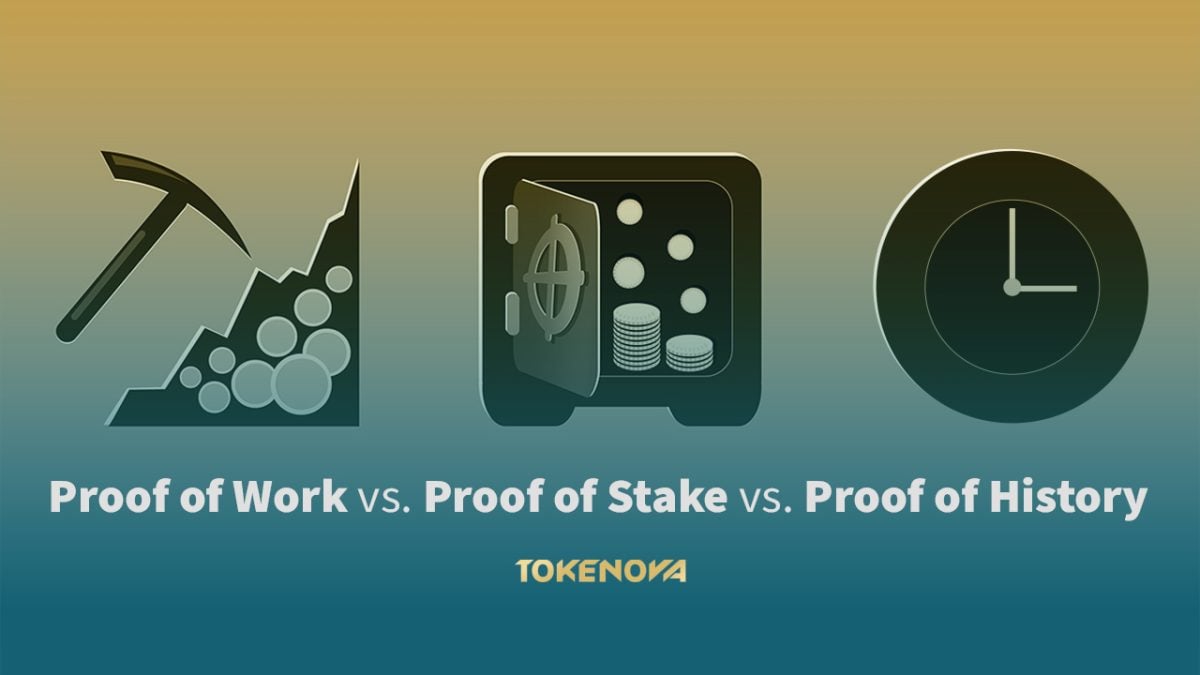
Blockchain innovations have sparked intense debates on consensus models, with discussions centering on proof of stake vs proof of work vs proof of history. In this article, we explore the evolution, technical intricacies, and practical impacts of these mechanisms. By examining their unique strengths and trade-offs, readers can better understand
Tokenized real estate sits at the messy intersection of blockchain tech and tax codes. Understanding tokenized real estate tax treatment starts with how the IRS classifies digital assets like tokenized properties as property, not currency. That means capital gains rules apply when you sell your stake. You’re not dodging traditional
Crypto tokens are no longer simply risky investments; they are now important digital tools that are changing the way businesses and finance work. Business leaders, including CEOs, CFOs, and innovation executives, need to know about these programmable financial assets that change the way we think about capital, ownership, and value
The integration of blockchain technology and tokenization into waste management systems represents one of the most promising yet challenging frontiers in environmental sustainability. While the potential for creating transparent, incentivized recycling ecosystems appears revolutionary, the reality involves navigating complex risks that could undermine entire implementations. As organizations worldwide explore tokenization
Businesses throughout the globe are shifting to fiat-to-crypto payment gateways by 2025 to grow internationally, reduce costs, and serve crypto-savvy clients. These solutions enable you to take cash (such as USD or EUR) and turn it into crypto right away, which makes payments quicker and more flexible. This guide has
Real estate tokenization converts property ownership rights into blockchain-based digital tokens, opening fractional stakes and fresh liquidity in a market that normally locks up capital, and fueling a global real estate tokenization market that’s only just beginning to scale. According to Deloitte, the global market for tokenized real estate is
An airdrop marketing campaign is a sharp and deliberate strategy where blockchain projects throw out free tokens to wallets. But it isn’t some magic crypto rain falling from the sky; you need to know how to create a successful airdrop marketing campaign in order to properly gain attention and pull
The renewable energy sector is experiencing a financial revolution. While traditional energy projects struggle with lengthy funding cycles and limited investor access, tokenized energy initiatives are raising capital in weeks rather than years. Yet behind every successful sustainable energy token lies a carefully crafted economic model that balances environmental impact
In 2025, smart contracts have become more than just blockchain code — they’re reshaping how enterprises automate deals, enforce agreements, and cut operational costs. With the rise of AI-enhanced contracts, multi-chain systems, and an urgent need for robust security, forward-thinking companies are racing to integrate these technologies into their operations.
NFT ticketing replaces printouts and QR codes with smart contract tickets that live on-chain. This shift isn’t just about better tech, but rather about flipping control back to the organizer and the attendee. Each ticket, minted as an NFT (ERC-721 or ERC-1155), holds its own metadata, including seat info, event