
The UAE and India have launched a major cross-border initiative designed to deepen technological cooperation and accelerate digital growth. Through the UAE India Web3 AI corridor, cross-border innovation, startup collaboration, and digital investment flows are being aligned to answer a critical question: can two fast-growing tech ecosystems combine strengths to scale global innovation faster? Both countries clearly believe the answer is yes.
What is the UAE–India Web3 & AI Business Corridor?
The initiative is a strategic partnership between India Blockchain Alliance and TheBlock. aimed at building a structured pathway for cooperation across emerging technologies.
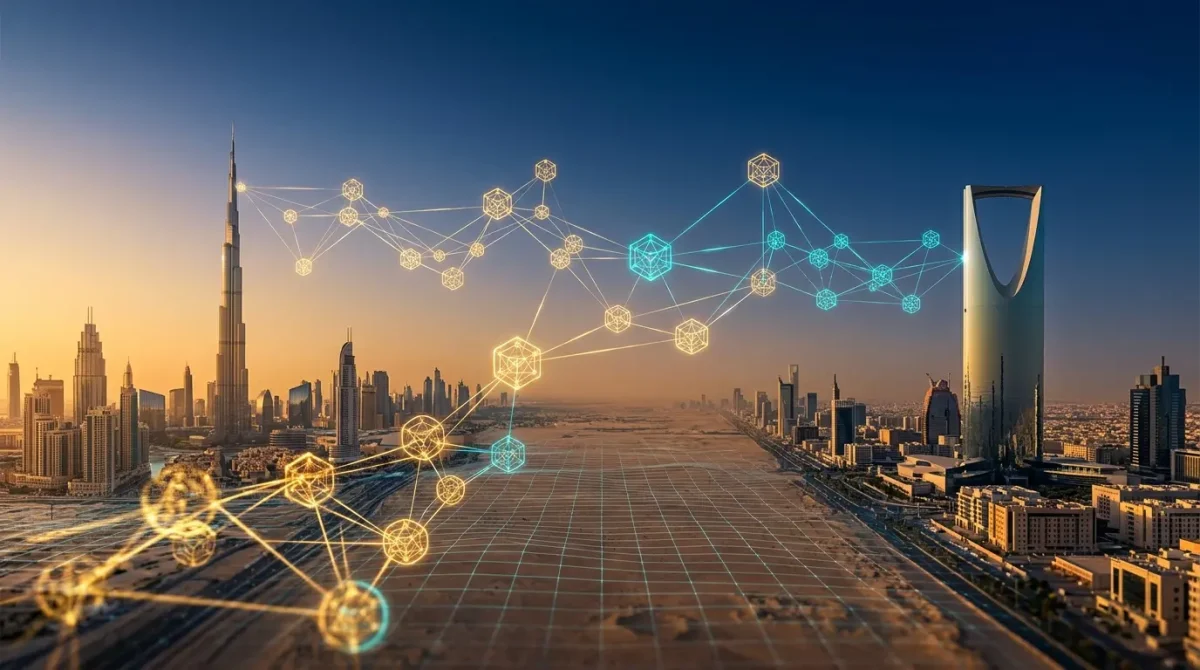
Rather than focusing on symbolic agreements, the corridor is designed as an operational framework linking India’s massive talent base and engineering strength with the UAE’s regulatory clarity, capital access, and global market connectivity.
This combination creates a practical foundation for enterprises, investors, and startups seeking cross-border expansion.
Why do the UAE and India complement each other in tech?
India has long been recognized for its deep pool of developers, engineers, and digital entrepreneurs. Its innovation capacity spans AI research, software development, and scalable digital platforms.
The UAE, on the other hand, has invested heavily in becoming a global hub for advanced technologies. Its strengths lie in forward-thinking regulation, investor-friendly policies, and international connectivity.
By linking these two ecosystems, the corridor effectively connects talent supply with capital and market access, which is often the missing piece in global innovation partnerships.
What practical initiatives will the corridor include?
The program is expected to serve governments, enterprises, startups, investors, and academic institutions alike. Planned activities include:
-
Regulatory dialogue and sandbox collaboration
-
Support for cross-border market entry
-
Joint investment pathways and venture initiatives
-
Talent mobility programs and shared research efforts
Over time, the initiative also aims to establish interoperable standards that help companies operate seamlessly across both markets.
How could this impact the economies of both countries?
For India, the corridor strengthens its position as a global provider of digital expertise while expanding export opportunities for AI and Web3 services. It may also create new high-skill employment pathways and international research collaborations.
For the UAE, the initiative supports its ambition to diversify beyond oil and cement its reputation as a destination for high-value technology companies and global talent.
In essence, both sides gain strategic advantages: India scales globally, while the UAE deepens its innovation economy.
Could this become a model for global tech collaboration?
The corridor will be rolled out in phases, beginning with working groups, ecosystem partnerships, and pilot programs. Later stages are expected to include cross-border accelerators, co-investment platforms, and integrated innovation networks.
If successful, the initiative could demonstrate how international partnerships can move beyond trade agreements toward joint digital ecosystems — a model increasingly relevant in the era of AI and decentralized technologies.
If your company is exploring market entry in the UAE, Web3 expansion, or cross-border tech partnerships, understanding initiatives like this is essential. Tokenwa helps founders, investors, and enterprises navigate regulatory landscapes and build scalable strategies across global innovation hubs.
Send us a message today to discuss how your business can leverage emerging tech corridors for growth.
Quick FAQ
What is the main goal of the UAE–India corridor?
To accelerate collaboration in Web3, AI, and deep technologies through investment, talent exchange, and regulatory cooperation.
Who will benefit most from this initiative?
Startups, tech enterprises, investors, and research institutions operating across both markets.
Will the corridor include funding opportunities?
Yes. Co-investment pathways and cross-border accelerator programs are planned as part of later phases.