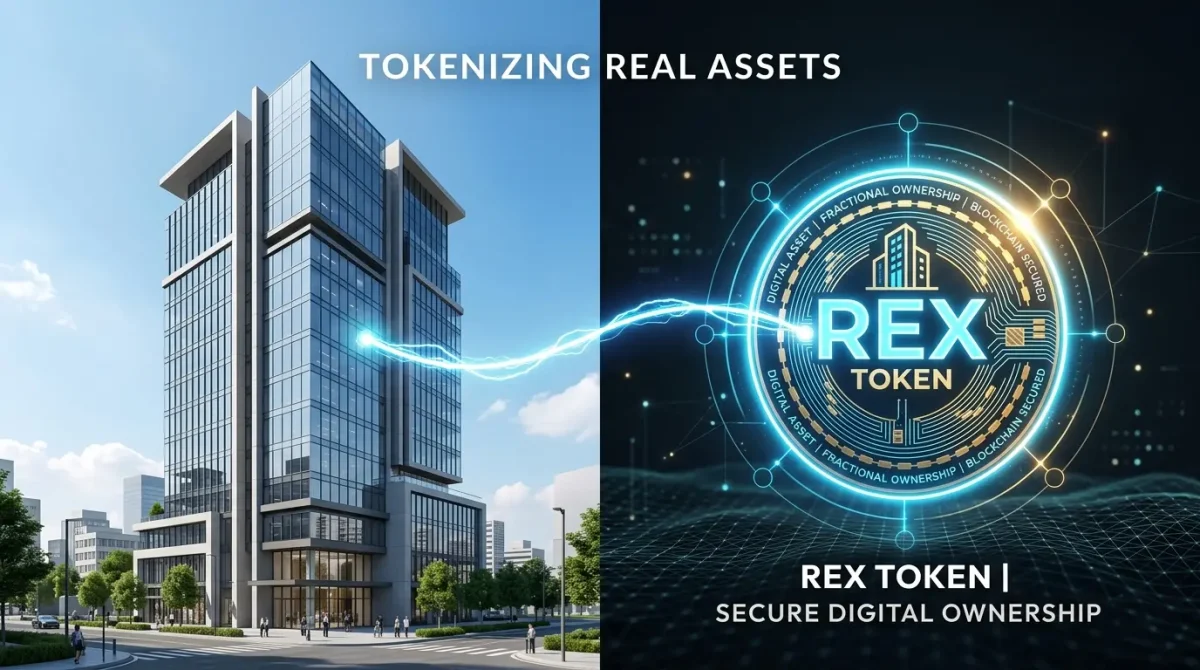

Tokenization is one of those buzzwords that often sounds far more complicated than it actually is. When you strip away the intimidating technical jargon and complex cryptographic explanations, it describes a concept that is remarkably simple, deeply transparent, and highly practical: taking ownership of a real-world asset and recording it as a digital token on a blockchain.
That underlying asset can be almost anything of value. It could be a commercial apartment building, a physical bar of gold stored in a vault, a rare piece of fine art, dividend-yielding shares in a private startup, or even an unpaid corporate invoice. Through tokenization, the digital token becomes an immutable, tamper-resistant proof of ownership. This digital certificate can be securely held in a wallet, seamlessly transferred across borders, and independently verified by anyone in the world—all without needing a filing cabinet full of cumbersome paperwork or suffering through weeks of administrative delays.
The Core Mechanics: What Tokenization Actually Does
To truly understand how this technological shift works in practice, imagine you own a luxury apartment. In the traditional financial system, proving that you own this property requires a mountain of physical deeds, manual updates to public county registries, expensive lawyers, extensive title searches, and a significant amount of time.
Tokenization takes that exact same real-world ownership interest and represents it as a cryptographically secured token on a blockchain network. Here is how the dynamic changes:
-
The Token: It acts as a digital bearer instrument, carrying the unalterable, mathematically verified record of who owns what percentage of the asset.
-
The Blockchain: This functions as a global, decentralized distributed ledger. It keeps the ownership record tamper-resistant, highly resilient against hacking or data loss, and fully visible to everyone who needs to verify it.
The Key Takeaway: Nothing about the physical apartment itself changes. The walls, the roof, and the tenants remain exactly the same. What fundamentally changes is how the ownership of that apartment is recorded, transferred, and proven. That structural shift might sound subtle, but it unlocks an unprecedented level of mobility and liquidity in the traditionally rigid world of global finance.
The Driving Forces: Why the Market is Paying Attention
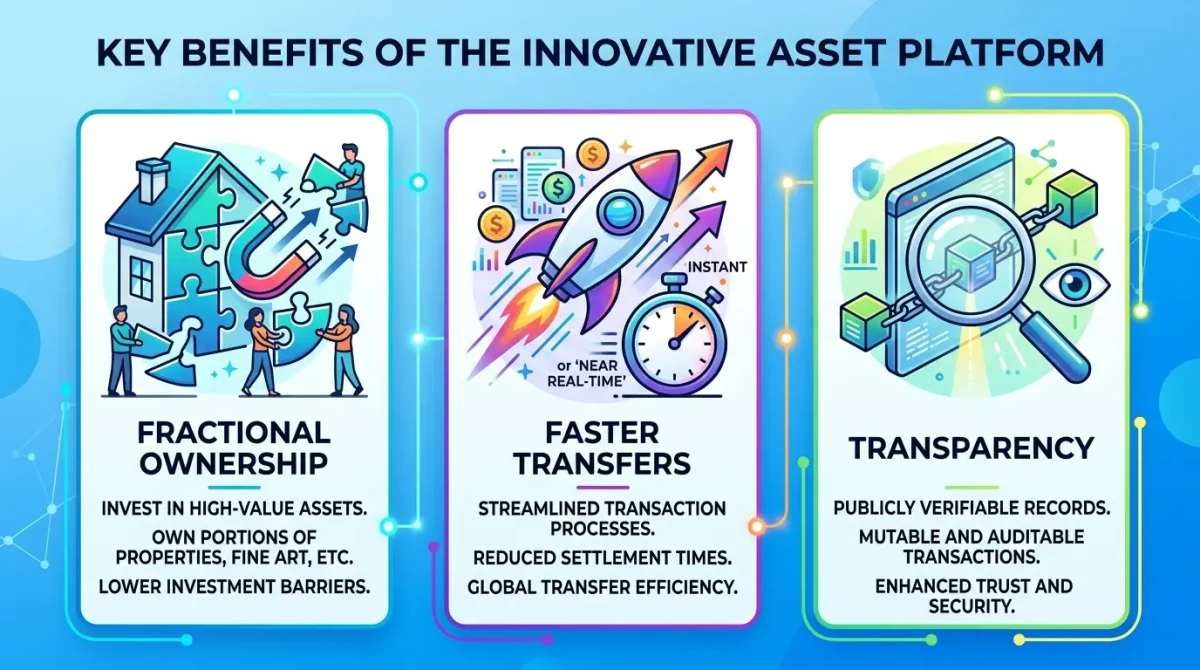
Institutional investors, real estate developers, and asset managers worldwide are pouring billions of dollars into tokenization infrastructure. This growing enthusiasm is driven by four core benefits:
A) Fractional Ownership: Democratizing Access
A single premium asset—such as a commercial skyscraper in Manhattan or a museum-grade Picasso painting—normally requires tens of millions of dollars to acquire. This high barrier to entry locks out all but the wealthiest institutional investors. Tokenization allows that massive asset to be mathematically divided into thousands, or even millions, of smaller tokens. Instead of one entity needing massive capital to buy the whole building, retail and mid-tier investors can now buy a small, liquid, tradable piece of it.
B) Speed and Lower Friction
Transferring ownership of traditional, illiquid assets can take weeks or even months. It usually involves a dense, expensive web of intermediaries, including banks, brokers, escrow agents, notaries, and legal counsel. By utilizing Smart Contracts (self-executing code on a blockchain), token transfers can occur within minutes, 24 hours a day, 7 days a week, with far fewer middlemen. Fewer friction points directly translate into drastically lower transaction costs.
C) Transparency and Auditability
Because the underlying ledger lives on a public or highly secure permissioned blockchain, ownership records and transaction histories are practically permanent. They are immutable and publicly auditable in real-time. It is virtually impossible to forge, maliciously alter, conceal, or lose a title record when it is constantly being independently verified across thousands of distributed network nodes worldwide.
D) Enhanced Global Liquidity
Historically illiquid assets (like real estate or private equity) trap capital for years. Tokenization creates secondary markets where these asset-backed tokens can be traded globally, bringing unprecedented liquidity to previously stagnant markets.
Debunking Myths: What Tokenization Is Not
To evaluate the tokenization of Real-World Assets (RWAs) with clear-headed rigor, it is essential to distinguish the actual reality from the marketing hype:
-
It is not financial alchemy: Tokenization does not magically transform a poor, overvalued, or distressed asset into a valuable one. A token backed by a failing business is still fundamentally tied to a failing business. The blockchain faithfully records ownership, but it cannot fix flawed underlying economics.
-
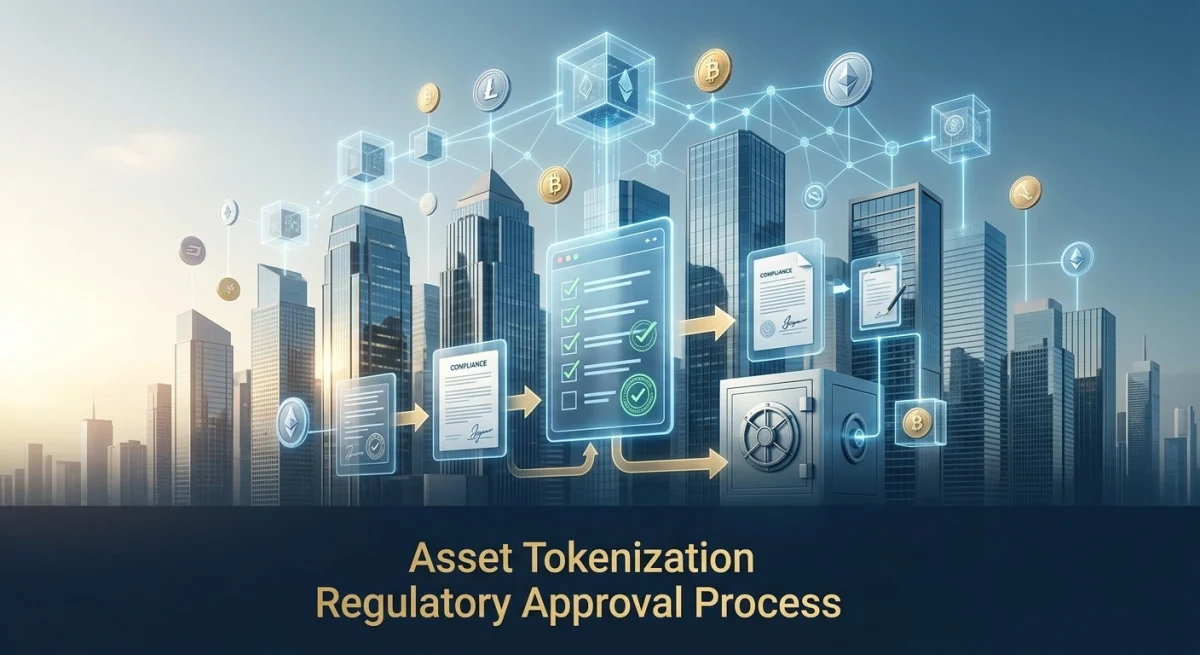
It does not bypass the law: A token representing a real financial or physical asset remains a financial security or legal property in the eyes of state and federal regulators. Anyone suggesting that tokenization allows issuers to skip compliance, avoid tax obligations, or ignore strict securities laws is fundamentally mistaken or intentionally misleading.
The Real Challenge: Navigating the Legal Framework
The technology behind blockchain is no longer the hard part; the legal execution is. This is the critical element that separates a serious, institutional-grade tokenization project from a high-risk or fraudulent one. When tokenizing an RWA, issuers must navigate complex securities regulations, localized property laws, and strict custody arrangements simultaneously:
-
Custody & Ownership: Who legally holds, maintains, and safeguards the physical or underlying asset in the real world?
-
Insolvency Protections: What exactly happens to the real-world asset if the tech startup or tokenization platform suddenly goes bankrupt or ceases operations?
-
Enforceability: How is a digital token holder’s claim legally recognized and enforced in a traditional real-world court of law?
Legitimate projects solve these fundamental questions before issuing a single token. They utilize clear, legally binding structures (such as establishing Special Purpose Vehicles, or SPVs) to unequivocally link the digital token to the physical asset. This ensures that token holders possess enforceable legal rights rather than just a cosmetic, meaningless entry on a digital database.
Conclusion: The Future of Asset Ownership
Ultimately, tokenization is neither a magical cure-all nor a passing scam; it is simply a vastly superior, modern technological infrastructure for recording, managing, and transferring asset ownership in the digital age.
The blockchain technology itself is fully functional and ready. However, the legal and regulatory framework beneath it is what ultimately determines whether a tokenized asset represents genuine, enforceable ownership or merely a digital entry with no real-world teeth. If you are considering tokenizing an asset or investing in tokenized RWAs, your primary focus should always be auditing the legal structure, the regulatory compliance, and the custody model—not just looking at the underlying smart contract code.
Frequently Asked Questions (FAQ)
Q1: Is tokenization the same thing as cryptocurrencies like Bitcoin?
A: No. Bitcoin and Ethereum are native digital assets; their value is derived from network utility and market demand, with no underlying physical collateral. Tokenized real-world assets (RWAs), on the other hand, represent explicit, legally binding claims or ownership rights to tangible physical or financial assets (like real estate, gold, or corporate shares).
Q2: If I lose access to my crypto wallet, do I lose my underlying real-world asset?
A: In properly structured RWA projects that follow legal compliance and strict identity verification (KYC/AML), losing a wallet’s private key does not mean forfeiting your investment. Because legal titles and investor identities are securely recorded off-chain as well, the issuing authority can verify your identity, freeze the lost or stolen token, and reissue a new one to a secure wallet in accordance with standard legal procedures.
Q3: What types of assets can be tokenized?
A: Virtually any asset with a defined monetary value can be tokenized. The most popular categories currently include commercial and residential real estate, precious metals like gold and silver, fine art and collectibles, private equity funds, debt instruments (like US Treasuries), trade invoices, and even intellectual property rights.
Q4: What is the biggest hurdle currently facing tokenization?
A: The main obstacle is regulatory fragmentation. Different international jurisdictions have vastly different laws regarding digital assets. There is a pressing need for globally standardized legal frameworks that universally recognize blockchain-based digital ownership and allow for seamless, cross-border enforcement in traditional courts.