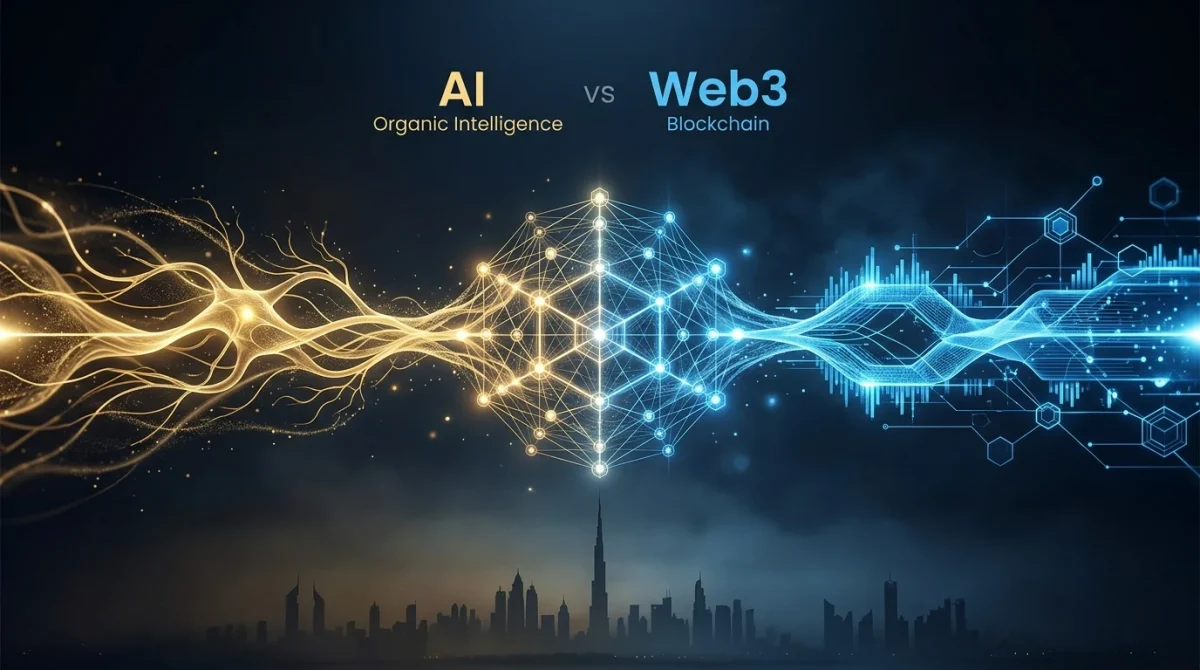

After years of operating behind the scenes, Playnance has officially stepped into the spotlight — and the short answer to why this matters is simple: the company claims it has already solved one of Web3’s biggest challenges. Through a Web2 to Web3 onboarding platform, on-chain infrastructure, and non-custodial execution, Playnance says it has proven that mainstream users can interact with blockchain products without ever needing to understand crypto mechanics.
Why is Web2-to-Web3 onboarding still the industry’s biggest hurdle?
For years, blockchain adoption has struggled with friction. Wallet setup, private key management, gas fees, and unfamiliar interfaces often discourage everyday users before they even begin.
Playnance approached the problem differently. Instead of educating users to become crypto-native, it redesigned the experience so blockchain functions invisibly in the background. Users sign up with familiar login flows, while the platform handles wallet creation and on-chain execution seamlessly behind the scenes.
This shift from “learn crypto first” to “use the product first” reflects a broader evolution in Web3 design — one focused on usability rather than ideology.
What scale has Playnance actually achieved?
Unlike many Web3 projects that launch with promises, Playnance spent years building live systems before going public. According to the company, its ecosystem now processes roughly 1.5 million on-chain transactions daily and supports more than 10,000 active users each day.
What makes this notable is the user profile. Most participants reportedly come from Web2 environments and onboard without using external wallets or crypto-native tools. If accurate, this suggests sustained blockchain engagement from audiences beyond the traditional crypto community — something the industry has long struggled to achieve.
How does the ecosystem function behind the scenes?
The infrastructure powering the ecosystem revolves around G Coin, the utility token used for all transactions across Playnance’s platforms. Similar to how exchange tokens power trading environments, G Coin functions as the operational layer of a digital entertainment ecosystem — supporting activities such as predictions, trades, and gameplay interactions.
As usage grows, token demand scales with it, tying utility directly to platform activity rather than speculative market cycles. Currently, the token is in a pre-sale phase and accessible through the company’s official channels.
What products prove this model works in practice?
Playnance operates several consumer-facing platforms designed to demonstrate the viability of its approach. Products such as PlayW3 and Up vs Down run on shared on-chain infrastructure, allowing users to move between services without repeating onboarding processes.
All activity is recorded on-chain while remaining non-custodial, meaning users retain control over their assets even though the experience feels similar to traditional web platforms.
This combination of ownership transparency and interface familiarity could represent an important blueprint for future consumer Web3 products.
Is Playnance signaling a broader shift in Web3 strategy?
The company’s approach reflects a growing realization across the blockchain sector: mass adoption will likely come not from teaching millions of people how crypto works, but from building systems where they don’t need to know.
By prioritizing live usage and behavioral data over marketing hype, Playnance positions itself within a new generation of Web3 companies focused on infrastructure, scalability, and user experience rather than speculation.
If this model continues to scale, it could help redefine how blockchain platforms attract mainstream audiences.
If your business is exploring Web3 adoption, token utility design, or user-friendly blockchain integration, understanding models like this is crucial. Tokenwa helps companies translate Web3 potential into practical, scalable strategies.
Send us a message today to discuss how your platform can bridge Web2 users into on-chain ecosystems with confidence.
Quick FAQ
What makes Playnance different from typical Web3 platforms?
It hides blockchain complexity behind familiar Web2 interfaces, reducing user friction.
Do users need crypto wallets to use the ecosystem?
No. Wallet creation and on-chain execution happen automatically in the background.
Is the platform custodial?
No. Despite its simplicity, the system remains non-custodial and on-chain.