
The United Arab Emirates has taken a decisive step toward solidifying its role as a global digital finance leader. With the introduction of a sweeping new central bank law, UUAE Redraws, blockchain, digital assets, and DeFi are now formally integrated into the country’s traditional banking framework. The short answer to the key question is clear: yes, the UAE is no longer treating crypto as a parallel system — it is bringing it directly under the core of its financial architecture.
What does the UAE’s new central bank law actually change?
The newly enacted Federal Decree Law No. 6 of 2025 represents a fundamental shift in how digital finance is governed. Under this law, all crypto and blockchain-related entities operating in or from the UAE must obtain a license from the Central Bank of the UAE (CBUAE). This requirement applies regardless of the underlying technology or business model.
The scope is broad and deliberate. Virtual assets, stablecoins, decentralized exchanges, wallets, bridges, tokenized real-world assets, and DeFi protocols are now officially part of the regulated financial system. Non-compliance carries serious consequences, with penalties reaching up to 1 billion dinars (approximately $272 million) for unlicensed operations.
How does this law position the UAE as a global crypto hub?
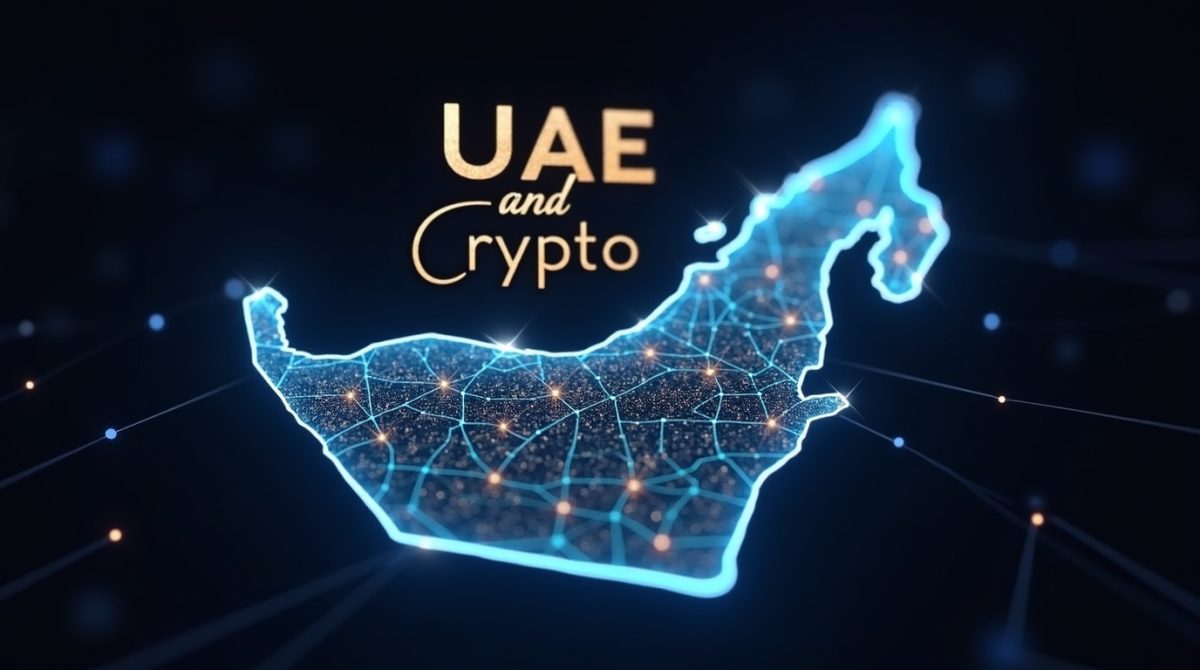
Rather than restricting innovation, the law is designed to create certainty. By clearly defining the regulatory perimeter, the UAE is offering what many global markets still lack: clarity. While other jurisdictions continue to debate how digital assets fit into legacy finance, the UAE has made its position explicit — crypto is now a core financial activity.
The framework also introduces 60-day licensing decisions, risk-based capital requirements, and a one-year transition period (until September 2026) for existing players to become compliant. This balance between firm oversight and operational flexibility is a key reason the UAE continues to attract global institutions.
What new opportunities does the law unlock for innovation?
The legislation creates new licensable categories, including virtual asset payments, open finance, and digital wallets. It also strengthens consumer protections through enhanced fraud controls and fast-track dispute resolution mechanisms for claims up to AED 100,000.
One notable dimension is the law’s emphasis on Shari’ah governance, which opens a clear path for Islamic DeFi and tokenized Sukuk. With global Sukuk issuance already exceeding $65 billion annually and projected to grow significantly by 2029, the UAE is positioning itself at the intersection of Islamic finance and blockchain innovation.
How does the UAE compare to other global regulatory regimes?
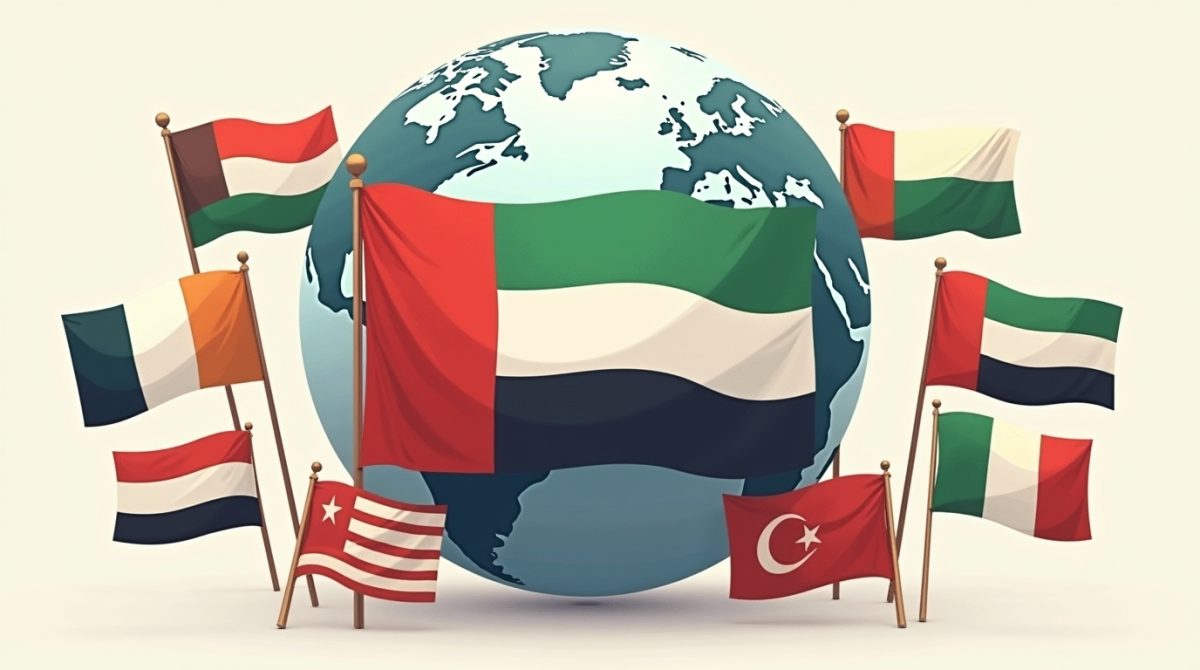
While Europe’s MiCA framework is still rolling out in stages, the UAE has delivered one of the most comprehensive national crypto laws to date. By placing digital assets under central bank supervision, the country has moved faster than many developed markets in integrating crypto into mainstream finance.
Legal experts note that while the full impact on DeFi will take time to unfold, the direction is unmistakable: the UAE is building a unified financial system where innovation and regulation coexist rather than collide.
Is this the moment for crypto and fintech firms to act?
For crypto companies, fintechs, and institutional investors, this law is a signal — not a warning. It indicates that the UAE is committed to long-term participation in the digital asset economy, with rules designed to support scale, trust, and global integration.
If you are evaluating market entry, licensing, or restructuring your crypto or blockchain operations in the UAE, now is the time to act strategically. Tokenwa works closely with founders, institutions, and investors to navigate regulatory frameworks and turn compliance into a competitive advantage.
Send us a message today to explore how this new law impacts your business — and how you can move forward with confidence.
Quick FAQ
- Does this law apply to all crypto companies in the UAE?
Yes. Any crypto or blockchain organization operating in or from the UAE must be licensed by the CBUAE. - Is DeFi now regulated in the UAE?
Yes. DeFi protocols and related infrastructure are explicitly included under the new regulatory framework. - Is there a grace period for existing companies?
Yes. Current players have until September 2026 to become fully compliant.