
Real estate tokenization converts property rights into digital tokens, which allows investors to purchase fractional exposure to buildings across borders with lower minimums and faster settlement. In 2025, this matters because major forecasts anticipate rapid growth in tokenized real estate, and governments are starting to link property registries to tokenization rails. The result is broader access, clearer audit trails, and more flexible portfolio construction.
Key takeaways
- Tokenization lowers entry costs through fractional ownership.
- Smart contracts reduce paperwork and speed up settlement.
- Investors can diversify across cities and property types with smaller tickets.
- The upside is real, but so are the risks. Legal title and operations matter.
Why tokenization is hitting real estate now
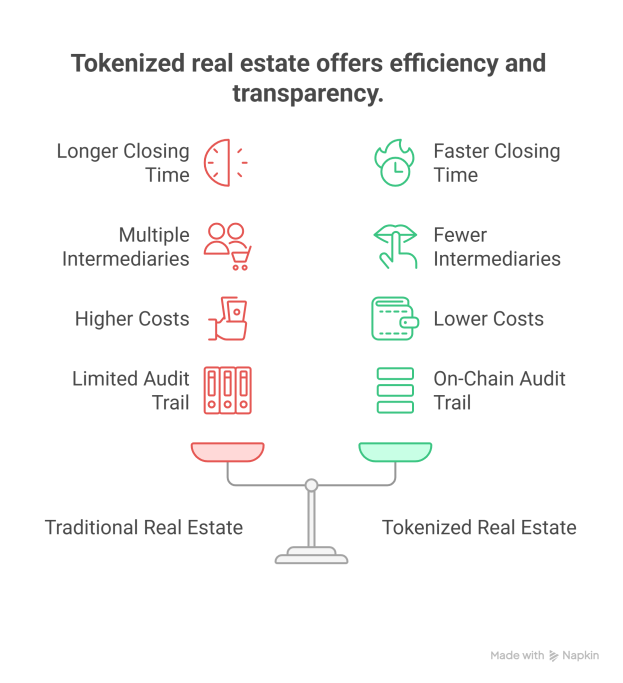
Real estate is valuable, but it is hard to move. It is local by nature. Deals are slow. Cross-border investing adds more friction.
Tokenization changes the operating system. It converts ownership and cash flow rights into programmable tokens on a blockchain. This can make real estate behave more like modern capital markets.
Crypto World: How Tokenization Could Shake Up The $52 Trillion U.S. Real Estate Market
Momentum is not only coming from startups. Deloitte projects that tokenized real estate could rise to about $4 trillion by 2035, up from under $0.3 trillion in 2024.
Public sector adoption is also accelerating. Dubai Land Department has launched a real estate tokenization initiative that supports fractional ownership and a more inclusive market design.
What “real estate tokenization” actually means
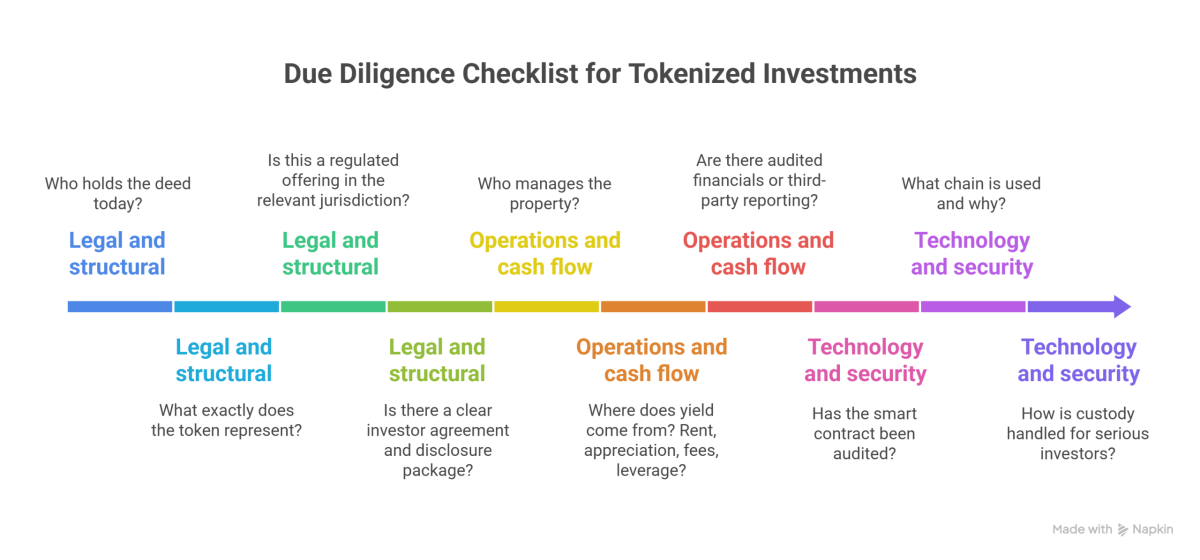
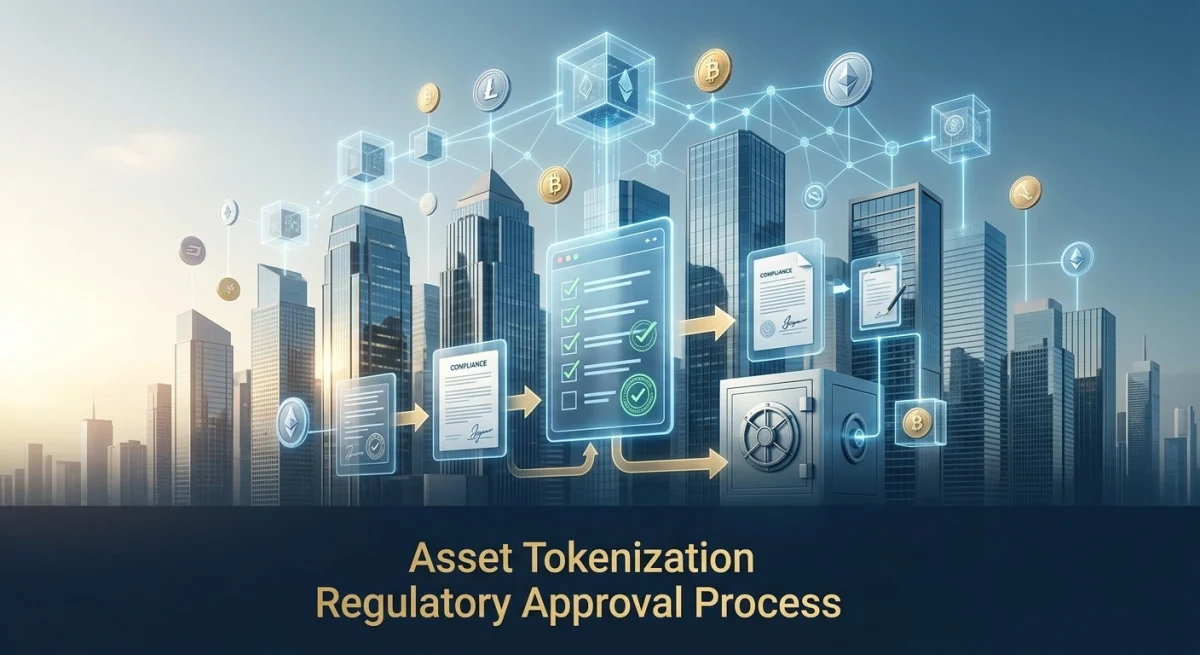
Tokenization is not “putting a building on-chain” in a simple way. A serious structure usually includes:
- A legal wrapper (often an SPV or trust structure) that holds the property.
- Investor rights defined in offering documents (income rights, governance, transfer rules).
- Tokens that represent those rights.
- On-chain settlement for transfers and payouts.
- Compliance rails like KYC, AML, and transfer restrictions where required.
If any one of these layers is weak, the token is only a UI. Not a real asset.
Property Play: How blockchain could cut real estate costs in half
Barrier 1: Geography
In traditional real estate, investing abroad means dealing with local brokers, banks, and legal systems. The cost of coordination is high. Verification is slow.
Tokenization reduces this by making ownership updates and transfers more automated and auditable. Many models use a single digital workflow for documents, signatures, settlement, and record keeping.
There is also a larger shift underway. Some governments are moving toward tighter links between registries and tokenization programs. Dubai Land Department’s tokenization program is positioned as a registry-level step toward fractional ownership access.
Barrier 2: High minimum investment
A big reason most people never build a global real estate portfolio is the ticket size. Tokenization makes fractional ownership native.
Example: RealT positions itself around fractional access, with properties where investors can start around $50, and rent is paid weekly via stablecoin to a crypto wallet.
This matters for portfolio design. Instead of one concentrated bet, investors can spread risk across:
- multiple neighborhoods
- multiple property types
- multiple jurisdictions
Infographic:
Alt text: how-to-tokenize-real-estate
Barrier 3: Transaction friction
Traditional transactions have layers. Each layer adds cost and time.
Tokenized workflows can compress the process:
- smart contracts can enforce “payment then transfer”
- automated rules can reduce manual checks
- settlement can be closer to real time
This is not only theory. Propy publicized early blockchain-based real estate transfers, including a 2017 transaction in Kyiv settled via smart contracts and crypto rails.
Barrier 4: Diversification that actually works
Diversification is easy to say and hard to execute in real estate.
Tokenization makes it practical to build exposure by:
- geography (cities, regions, markets)
- property type (residential, retail, logistics, hospitality)
- strategy (income, value add, development)
This is one reason wealth and asset managers are paying attention. The portfolio design space becomes much larger when positions are smaller and easier to rebalance.
Barrier 5: Liquidity, with a reality check
In theory, tokens can trade more easily than deeds. In practice, liquidity depends on:
- whether transfers are legally allowed
- whether there is a compliant venue
- whether investor demand exists
- whether custody and settlement are institutional grade
So yes, tokenization can improve liquidity. But it is not automatic. Treat “instant liquidity” as a claim that needs proof.
Platform landscape in 2025
Below is a practical comparison. It is not exhaustive. It is a starting point.
What is happening in the region
Tokenization is not only “global news.” Regional developers are actively exploring it. Reuters reported a $1 billion deal involving DAMAC and MANTRA to tokenize real world assets, including real estate.
That matters because it signals something bigger: tokenization is moving from pilot projects toward mainstream balance sheets.
The due diligence checklist (use this before you invest)
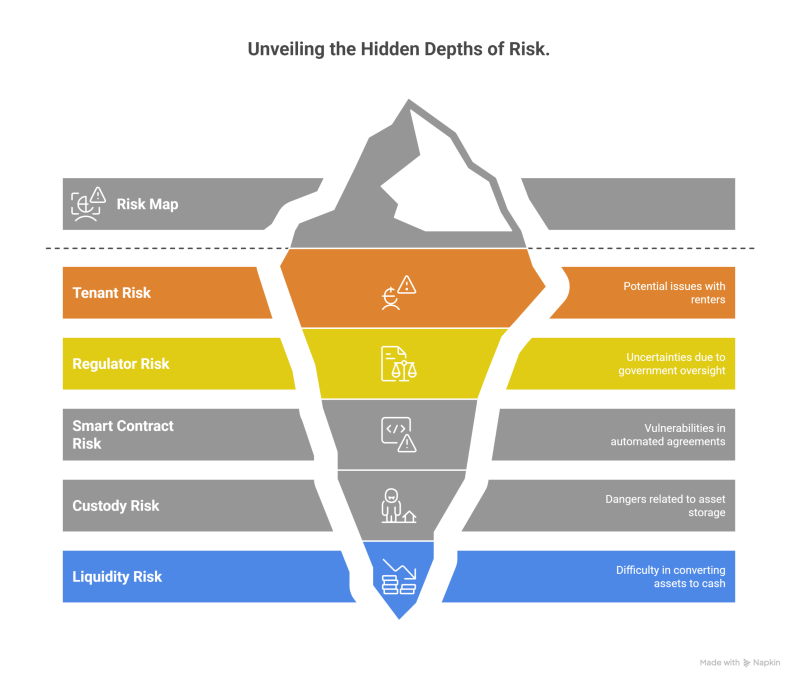
Tokenization makes access easier. It does not remove risk. Use this checklist.
Legal and structural
- Who holds the deed today?
- What exactly does the token represent?
- Is this a regulated offering in the relevant jurisdiction?
- Is there a clear investor agreement and disclosure package?
Operations and cash flow
- Who manages the property?
- Where does yield come from? Rent, appreciation, fees, leverage?
- Are there audited financials or third-party reporting?
Technology and security
- Has the smart contract been audited?
- What chain is used and why?
- How is custody handled for serious investors?
Exit and liquidity
- Is there a compliant secondary market?
- Are transfers restricted?
- What is the real path to redemption?
A transparent cautionary note
Public reporting in 2025 raised serious concerns around property operations and ownership claims in parts of the Detroit tokenized housing ecosystem tied to Real Token and RealT. These reports include lawsuits and court actions that impacted rent collection and compliance requirements.
You do not need to assume every platform has these issues. You do need to assume diligence is mandatory.
How Tokenova fits in
Tokenized real estate is a blend of finance, law, and infrastructure. Most investors do not fail on “crypto.” They fail on structure and execution.
Tokenova helps teams and investors evaluate opportunities with:
- product and platform analysis
- risk and compliance mapping
- deal structuring support
- diligence frameworks that focus on title, cash flow, and enforceability
If you want global access, treat it like a real capital markets decision. Not a trend.
FAQ
Is tokenized real estate legal?
It can be. It depends on the jurisdiction and how the token is structured. Many models look like regulated securities. Always confirm the legal wrapper and offering basis.
Do tokens give me direct ownership of the property?
Usually not in a simple sense. Most structures route ownership through an SPV or trust, then give token holders defined economic and governance rights.
How do investors get paid?
Some platforms distribute rental income in stablecoins to wallets on a schedule. RealT describes weekly rent payments via stablecoin.
Is liquidity guaranteed?
No. Liquidity depends on compliant transfer paths and market demand. Treat liquidity as a feature that needs evidence.
What is the biggest risk?
A weak link between the token and the legal reality of the asset. That includes title, disclosures, and ongoing property operations.