
Clean energy projects often starve for capital while eager investors can’t participate. Traditional finance requires big checks and long waits, which locks out most people. In fact, many small renewable projects struggle to get funding because due diligence and approval costs outweigh their size. Meanwhile, interested investors face high minimums and slow processes. The result: a financing gap for sustainable projects and frustrated would-be backers.
Thankfully, a breakthrough is underway. Tokenization breaks assets into digital shares on blockchains, slashing barriers. This guide shows how tokenized assets make clean energy finance more transparent, accessible, and efficient in 2026 and beyond. You’ll learn why this matters for global sustainability and why the UAE’s innovation hubs are leading the charge.
Why Traditional Financing Falls Short

Most large clean-energy installations need millions upfront, so only big institutions can invest. Ordinary people or small funds are shut out. Experts note that “Small-scale renewable projects have not attracted much investor interest” because traditional structuring is expensive and complex. In practice, only a tiny percentage of deals get funded through old channels. This leaves two billion new solar rooftops and wind farms unfunded and millions of savers sidelined.
- High Minimums: Conventional funds and banks demand large stakes. Projects raise $10M+ by default, excluding small investors.
- Long Timelines: Securing loans and approvals can take months or years. Promoters lose time and momentum.
- Low Liquidity: Once funded, projects lock up capital for decades. Investors cannot easily exit or trade their stake.
The outcome is a broken middle. Retail investors want green returns, but can’t get in. Project developers want diverse funding, but can’t reach new capital. A fresh solution is needed.
How Tokenization Breaks Down Barriers
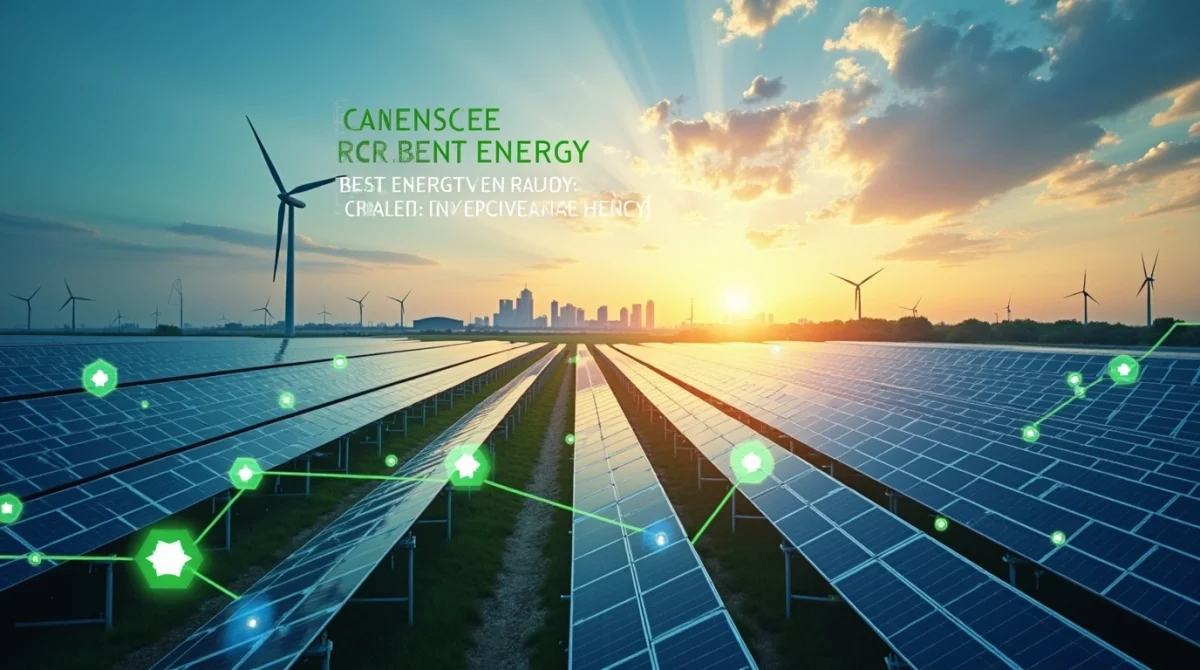
Tokenization radically shifts the model. It converts ownership rights in a solar farm, wind farm, or carbon credit into digital tokens on a blockchain. Each token represents a fraction of the asset (or its future cash flows), so investors can buy in with very small amounts. BNP Paribas highlights that tokenization offers “better granularity for smaller amounts”. In plain terms, you might own 0.001% of a big solar farm instead of buying the whole project.
This creates multiple benefits:
- Fractional Ownership: Investors can start with as little as a few hundred dollars. Platforms like Energea even allow $100 entry, compared to $10,000+ normally. This democratizes access to renewables.
- Transparency: All token transactions and energy generation data are on-chain and public. This builds trust, since no ledger is hidden. BNP Paribas notes tokens “provide transparency, scale, and verifiability” of ESG data.
- Liquidity: Tokens can often trade on secondary markets. You’re not stuck until a project ends. Dubai’s regulator explicitly allows trading tokenized assets on licensed exchanges. This means you can buy or sell your stake if needed.
- Lower Costs: Blockchain platforms automate administrative tasks. A World Economic Forum analysis predicts that tokenization can cut transaction costs by ~30% and settlement time from weeks to minutes. Less paperwork means more funds going to the project, not bureaucracy.
By slicing projects into small tokens, tokenization turns formerly illiquid infrastructure into tradable digital assets. People can fund clean energy from their phones. The market suddenly expands from a few institutional investors to millions of individuals (often called “the crowd”). Industry research confirms this shift: “energy producers issue tokens to finance new plants,” and token buyers “play an active role in the energy transition”. In short, tokenization changes a top-down model into a participatory model, inviting far more capital and support for green projects.
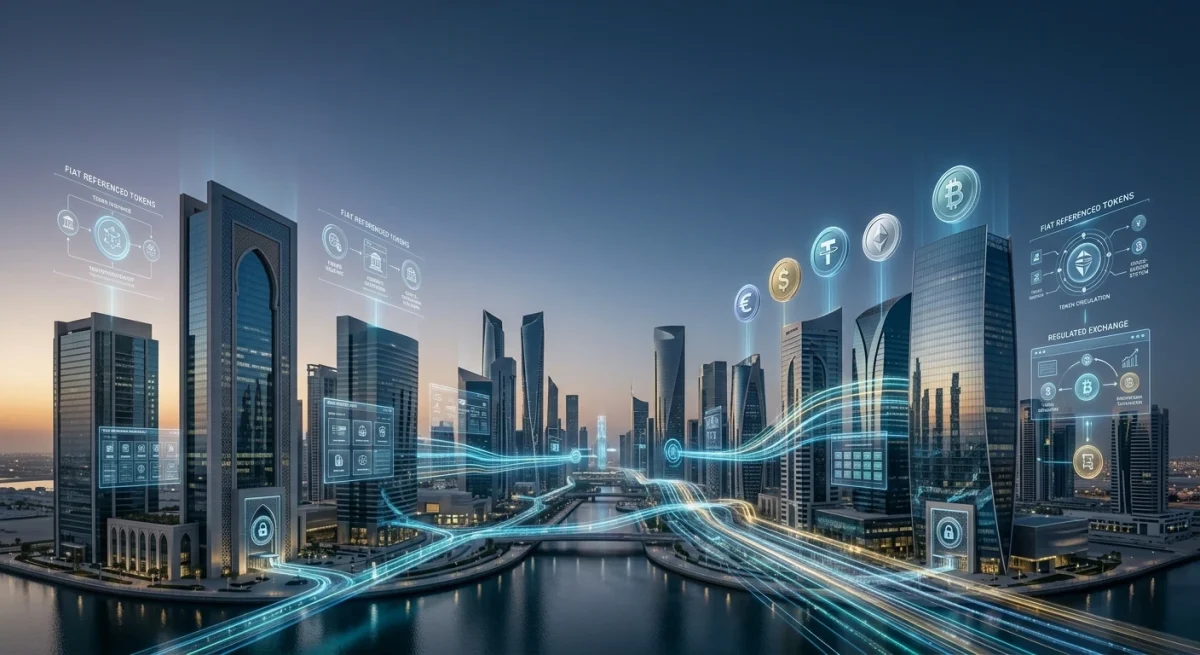
Figure: Dubai’s DMCC launched its FinX platform in 2025 to link institutional capital, fintech, and blockchain innovators. UAE leaders have said tokenization “is unlocking new levels of liquidity, transparency and efficiency” in trade and investment.
Smart Contracts Automate Returns

Behind the scenes, smart contracts power tokenized projects. These are self-executing programs on the blockchain that manage the project’s money flows. For example, a solar farm’s smart contract can automatically distribute payouts to token holders based on the kilowatt-hours produced. When an investor’s share of energy is generated, the contract releases the corresponding cash (often as stablecoins) directly to their digital wallet.
This automation brings big advantages: no bank delays, no manual bookkeeping, and no distrust about what’s paid. A McKinsey report notes that some tokenized funds already use stablecoins to “pay dividends to investors automatically”. In practice, this means a token investor might see a payment arrive the same day the solar farm sells electricity.
Smart contracts can also adjust for real-world factors. They can use oracles (trusted data feeds) to read weather reports, grid prices, and output. If solar output dips due to clouds, the contract adjusts the yield. If peak power prices spike, investors get a bonus rate. This ties your return to actual performance in real time, rather than fixed guesses.
All this cuts middlemen. Project teams spend less on accounting and paperwork. Investors get clear, timely statements of exactly how much energy was produced and paid. The code ensures fairness: every token owner’s wallet gets the right share, with immutable records on-chain. The bottom line: faster, cheaper, and more transparent returns for everyone involved.
Real-World Success Stories
Tokenized clean energy is happening now around the world. These examples show how projects are already using blockchain for green finance:
- Enel & Algorand (Italy, 2024): Electric utility Enel teamed with fintech Conio to launch ebitts, a blockchain-based program for its Italian customers. Ordinary households can buy tokens representing tiny shares of solar panels or wind turbines. Each hour, the system measures how much power your share generated and sends you tokens. That power offsets your bill or earns revenue. It’s fully transparent: users see real-time data on energy output and token balances. This was Europe’s first MiCA-compliant energy token, showing how regulation and blockchain can align for real projects.
- Dubai Land Department (UAE, 2025): The Dubai government itself helped issue MENA’s first real-estate token. In May 2025, Dubai Land Department announced a fractional ownership offering called Prypco Mint. Although it’s property, not energy, it demonstrates the region’s readiness. Token holders get stable, regulated shares of a valued asset. This move signals that the UAE allows consumer-facing token projects under clear rules.
- Innovative Platforms: Emerging blockchain firms worldwide are targeting renewable energy. For example, companies like Zoniqx, Powerledger, and even local startups are building token platforms for solar, wind, and carbon credits. “Fractional ownership, transparency and scalable impact” are common themes, as platforms highlight how anyone can invest in green projects with confidence. While not all data is public, investors see initial successes: projects reaching full funding faster, more people joining in, and clear reports on energy production.
These cases prove the model works. Investors and developers report shorter time-to-funding and higher participation than with old methods. Everyone can see project KPIs on blockchain dashboards. As one industry observer puts it, combining digital finance with sustainability accelerates the entire transition.
Regulatory Landscape: Compliance & UAE Leadership
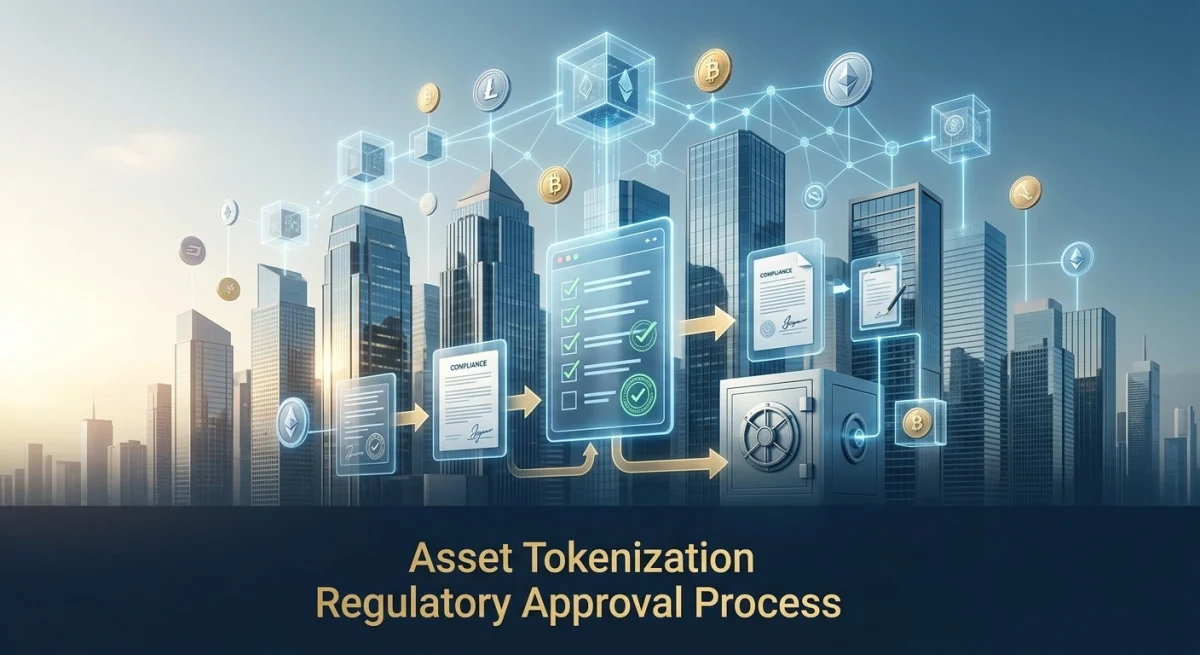
Proper legal groundwork is key. Tokenized assets are generally treated as securities or investment contracts, so issuers must follow finance laws. This means Know Your Customer (KYC) and Anti-Money Laundering (AML) checks for investors, clear disclosures, and often registering with regulators. The good news is regulators are moving fast:
- In the UAE, Dubai’s Virtual Assets Regulatory Authority (VARA) now explicitly covers Real-World Asset (RWA) tokens. It defines asset-backed tokens (called ARVAs) as regulated securities. Issuers must hold a Category 1 crypto license, publish a compliant whitepaper, and fully back tokens with audited assets. VARA even allows those tokens to trade on licensed exchanges and broker-dealers. In other words, Dubai moved from experimentation to full production: you can legally issue and trade tokenized energy assets within a clear framework.
- In Abu Dhabi, the ADGM financial center treats digital tokens as securities under its existing laws. The Financial Services Regulatory Authority licenses token issuers, exchanges, and custodians for digital assets. This brings legal certainty to tokenized funds and energy projects using blockchain. Entrepreneurs can tap ADGM’s rules and English common law framework for guidance.
- Globally, other regions have also stepped up. The EU’s new Markets in Crypto-Assets (MiCA) rules cover tokenized funds in Europe. Singapore, Hong Kong, and other hubs have similar regimes for real-world asset tokens. By 2026, this clarity has unleashed confidence. As UAE trade minister Thani Al Zeyoudi noted at a recent conference, “With our strong regulatory framework… the UAE is well positioned to lead” in tokenization.
The takeaway: work with experienced lawyers. Define the token carefully (is it equity, debt, utility?), get necessary licenses, and follow KYC/AML. Crypto platforms in the UAE often pair up with licensed broker-dealers (many local blockchain firms have done this). Laying out compliance from the start prevents delays and assures investors. Successful token projects invest heavily in legal clarity first, building trust that accelerates funding later.
Getting Started with Tokenized Clean Energy
For would-be investors: educate yourself and proceed step by step.
- Learn the Market: Read up on tokenization basics (many guides online). Understand differences between platforms (some focus on equity, some on debt or carbon credits).
- Check the Platform: Only use reputable platforms with security audits, clear fees, and regulatory compliance. Look for teams with blockchain and energy experience. Reviews and partnerships (like with major banks or regulators) are good signs.
- Due Diligence: Study each project’s details. Key questions: What is the underlying asset (type of power plant)? Who is the developer? Is there a power purchase agreement (PPA) or revenue model? Is energy production data transparently reported? Smart contracts should be audited.
- Diversify and Start Small: It’s wise to begin with a modest investment you’re comfortable with. Many platforms let you invest $100–$1,000 per project. Over time, you can spread capital across several projects or tokenized portfolios. This limits risk if one project underperforms.
- Use Secondary Markets: If available, secondary trading lets you exit early. Check if the platform offers a market for your tokens. This is a game-changer compared to traditional slow sale processes.
- Stay Informed: Tokenization is fast-evolving. Follow updates on regulations and new tech (like advances in blockchain or smart metering). The UAE’s Fintech hubs (e.g. DMCC FinX, ADGM, or VARA) often publish insights and events worth watching.
By taking these steps, you can confidently explore tokenized green investments. Over time, as you grow comfortable, consider larger positions, but always balance your portfolio according to your own goals.
Frequently Asked Questions
- Q: What’s the minimum investment in tokenized clean energy?
A: It varies by platform, but many allow entry with as little as $100–$1,000. That’s far lower than the multimillion-dollar minimums in traditional deals. This lets everyday investors build green portfolios over time. - Q: How do I get paid returns on my tokens?
A: The project’s smart contract automatically distributes your share of revenue. For example, when your portion of a solar farm generates income, the contract sends payment (often in stablecoins) straight to your wallet. This happens on-chain, so you see it immediately. (McKinsey confirms stablecoin dividends are now an early use case.) - Q: Is this regulated and safe?
A: Legitimate platforms comply with securities and crypto laws. In the UAE, token issuers must follow VARA/ADGM rules (including KYC/AML). Globally, frameworks like MiCA (EU) or VARA (Dubai) give clear guidelines. Always verify that the platform is regulated and has a transparent compliance process. - Q: What if a project underperforms?
A: Your returns are directly tied to the project’s real output. If less power is produced, the smart contract pays out less. Some platforms may offer risk mitigation (insurance or reserve funds), but usually, your risk is like any real equity. That’s why diversification and due diligence are important. - Q: Can I sell my tokens before the project ends?
A: Many tokenization platforms support secondary markets where you can trade your tokens. VARA’s rules explicitly allow trading on licensed exchanges. This gives you liquidity that traditional energy investments lack. Just check the platform’s trading policy and any lock-up periods first.
Lighting the Way Forward
Tokenized clean energy finance is not a distant vision – it’s happening now. By 2026, institutional investors are pouring into tokenized renewables because it delivers liquidity, transparency, global reach, and better returns. Countries and companies worldwide see the promise. The UAE exemplifies this trend: it’s rapidly expanding renewables capacity and building digital-asset infrastructure to match. Dubai’s FinX and other initiatives prove the region is ready to lead.
As clean energy demand grows, innovative funding models are critical. Tokenization merges finance and tech to open new sources of capital. Everyday investors can now play an active role in the green transition. Smart contracts streamline payouts and reporting. Clear regulations ensure safety and trust. Together, these forces turn tokenized finance from theory into reality.
In short, the future of clean energy financing is tokenized, transparent, and more inclusive than ever. By blending blockchain with sustainability, we unlock a powerful path to fund the green projects our planet needs. The light at the end of the tunnel? It’s powered by solar, wind, and the digital tokens that bring everyone along for the ride.
Stay engaged: We welcome your questions and experiences with tokenized investing. Drop a note below or join local UAE Web3 meetups to learn more. Together, we’ll continue to innovate and keep the energy transition on the fast track.