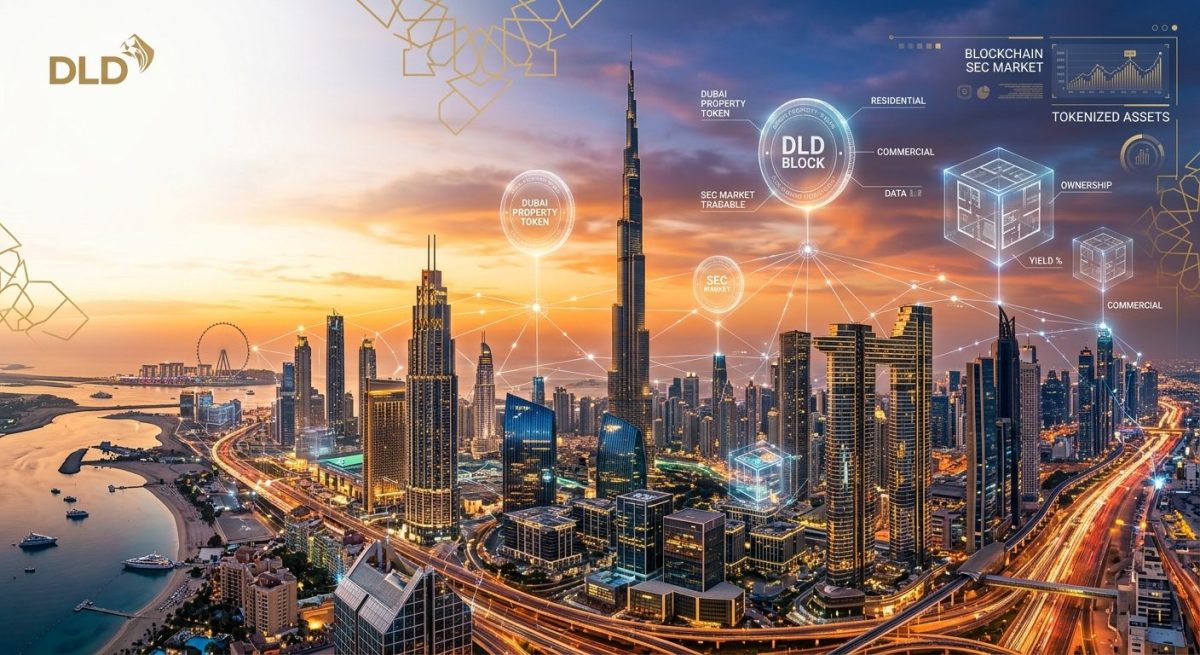

Dubai real estate tokenization, fractional property ownership, and XRP Ledger Dubai property are completely changing how investors access one of the world’s most dynamic real estate markets. In short, Dubai has officially enabled secondary trading of tokenized properties. This means you can now buy and sell small portions of premium real estate without owning the entire asset.
What Is Dubai Real Estate Tokenization and Why Does It Matter?
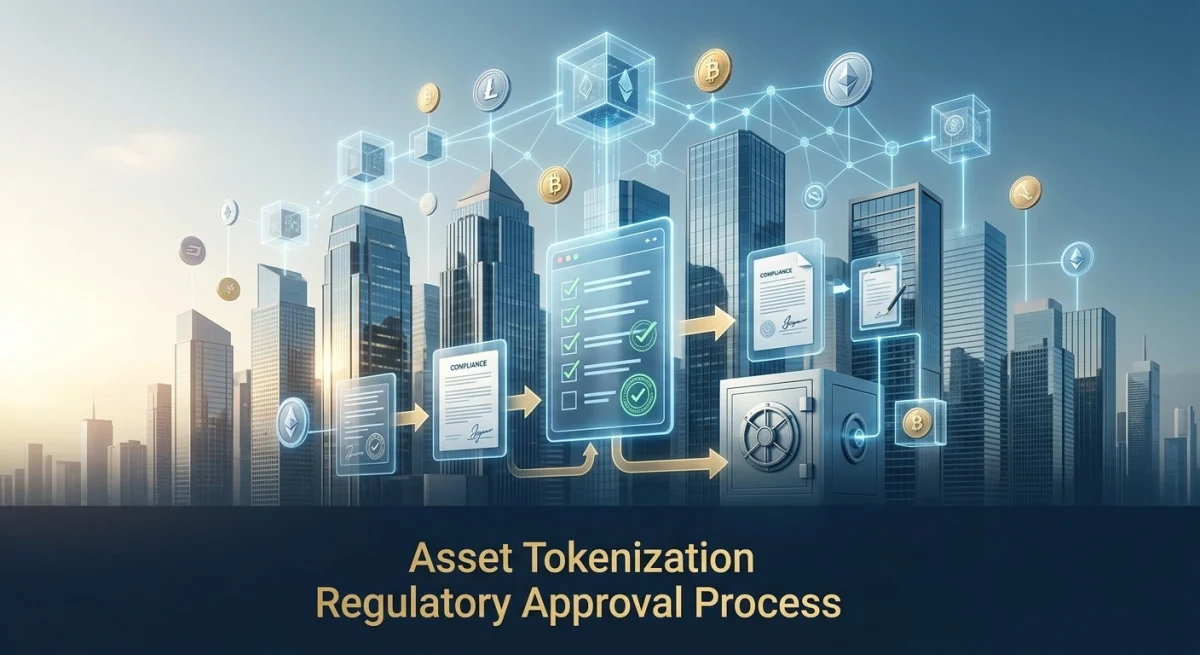
Dubai is redefining property investment by turning physical assets into digital tokens on blockchain. Through this approach, real estate is divided into smaller, tradable units, allowing investors to participate with significantly lower capital.
The Dubai Land Department (DLD) has taken this concept a step further by launching Phase II of its pilot program. Unlike the initial phase, which focused on token creation, the new phase enables active trading in a regulated secondary market.
This shift is crucial. It transforms tokenized real estate from a static investment into a liquid asset class. This brings flexibility and accessibility back to a traditionally rigid market.
How Does the Secondary Market for Tokenized Property Work?
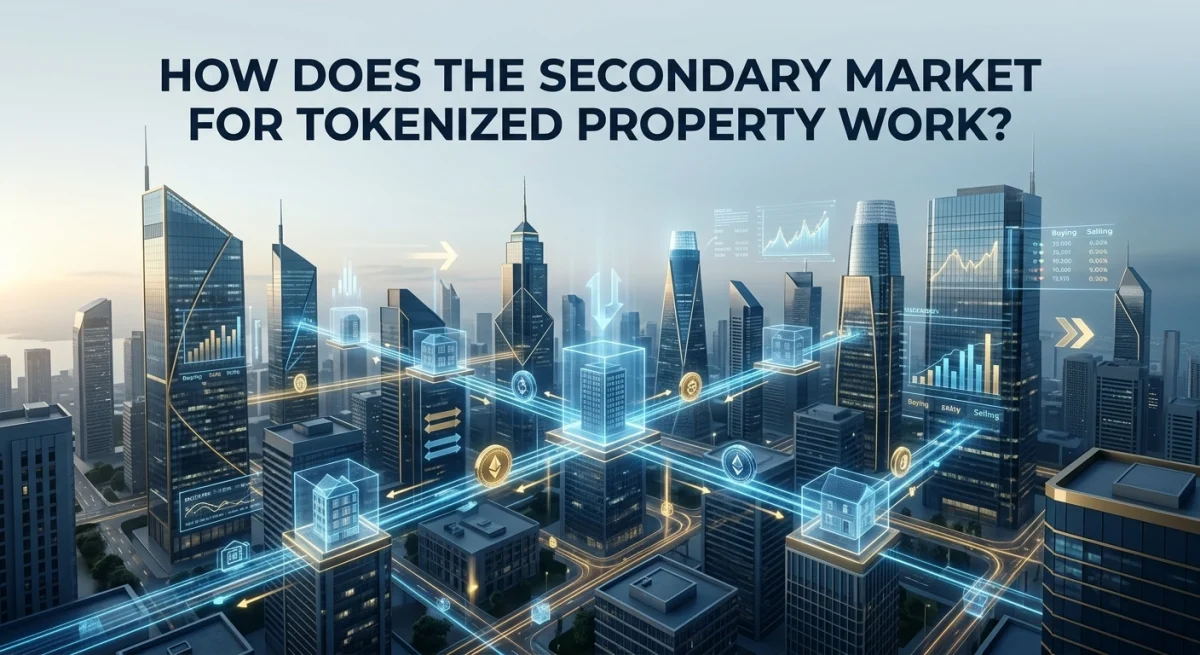
The newly launched system allows investors to buy and sell property-backed tokens seamlessly. Each token represents a fractional share of a real estate asset, and transactions are processed on blockchain infrastructure.
What makes this model particularly powerful is the integration with official land records. Every transaction is aligned with Dubai’s property registry, ensuring legal validity and ownership transparency.
Additionally, all trading activity operates within a regulated environment, reducing risks and increasing trust for both local and international investors.
Why Is the XRP Ledger Central to This Initiative?
At the core of this ecosystem is the XRP Ledger (XRPL), which powers the entire transaction layer. Known for its speed and efficiency, XRPL enables near-instant settlements and low transaction costs.
This makes it ideal for high-frequency trading of tokenized assets. Instead of waiting days for traditional property transactions to clear, investors can execute trades almost instantly.
The use of blockchain also ensures immutability and security. These are key factors when dealing with valuable assets like real estate.
What Role Do Infrastructure Providers Play?
Behind the scenes, specialized firms are building the technical and compliance frameworks that make this ecosystem possible. These providers ensure that token issuance, trading, and regulatory requirements are all aligned.
One of the key innovations in this model is the dual-token structure. In simple terms:
- One token represents actual ownership in the property
- Another token manages compliance and regulatory functions
This separation enhances both flexibility and control, allowing the system to scale while remaining compliant with financial regulations.
How Does This Impact Investors and the Property Market?
For investors, the benefits are clear:
- Lower entry barriers to premium real estate
- Increased liquidity through secondary trading
- Greater transparency and security
For the broader market, tokenization introduces efficiency. It reduces friction in transactions and opens the door to a global pool of investors who can now participate without geographic or financial limitations.
This also aligns with Dubai’s long-term vision of becoming a leading hub for digital assets and blockchain innovation.
Is Dubai Becoming a Global Leader in Tokenized Real Estate?
All signs point to yes. By moving beyond pilot testing and enabling real trading activity, Dubai is positioning itself at the forefront of real estate innovation.
The structured rollout of this initiative reflects a deliberate strategy: test, validate, and then scale. As more data is collected and additional platforms potentially join the ecosystem, the market is expected to expand further.
Dubai is no longer just experimenting; it’s executing at scale.
FAQ
What is Dubai real estate tokenization?
It’s the process of converting property ownership into digital tokens that can be traded on blockchain.
Can I really buy a fraction of property in Dubai?
Yes, investors can purchase small shares of real estate through tokenized assets.
Is the system regulated?
Yes, all transactions operate under a regulated framework aligned with Dubai’s property and financial authorities.