
The latest UAE tokenization and Web3 developments as of Jan 7, 2026 include Digital Dirham pilot milestones, upcoming DIFC DFSA crypto-token rule changes, ADGM framework updates, and rapid growth in Dubai real estate tokenization. These moves signal faster institutional adoption and stronger regulatory clarity in 2026.
The United Arab Emirates is entering 2026 with significant momentum in its Web3 and tokenization ecosystem. Across the UAE – especially in Dubai – authorities and industry players are advancing crypto-friendly regulations, launching a national digital currency, and rolling out tokenized asset projects. These developments, from the Digital Dirham central bank digital currency (CBDC) to Dubai’s real estate tokenization initiatives, underscore the UAE’s emergence as a global hub for blockchain innovation and investment.
Digital Dirham UAE: National Digital Currency Pilot Takes Off
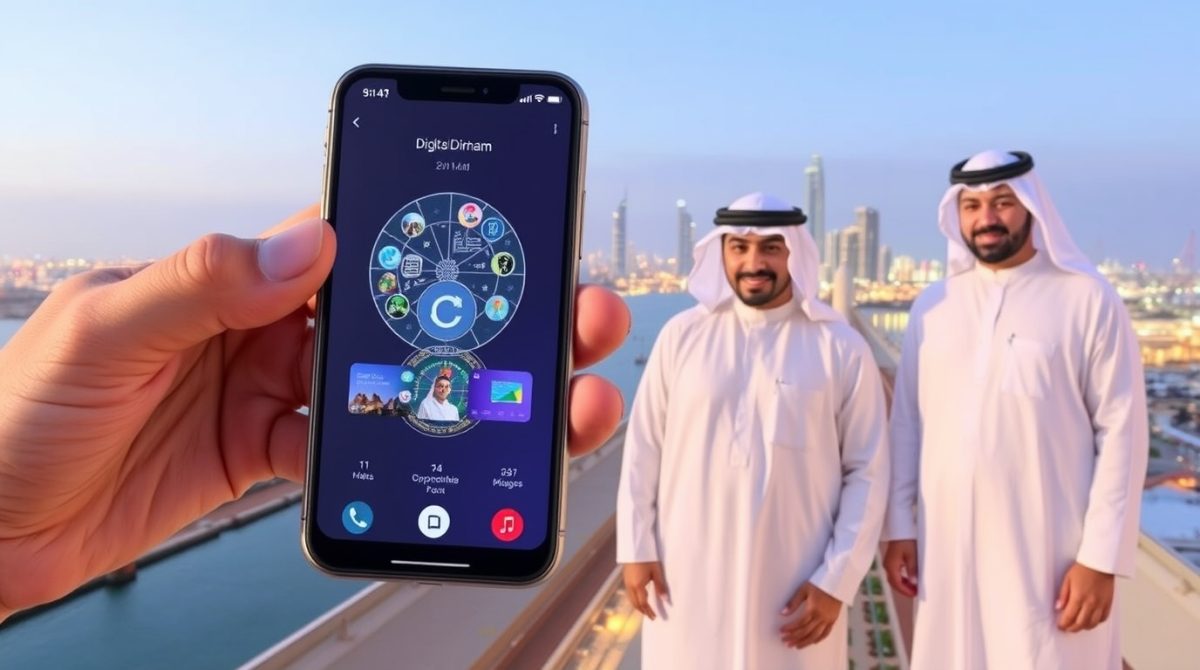
The UAE’s most ambitious fintech project, the Digital Dirham, moved from concept to reality in late 2025. In November, the UAE Ministry of Finance and Dubai’s Department of Finance conducted the first official government transaction using the Digital Dirham. This marked a pivotal pilot milestone under the Central Bank’s Financial Infrastructure Transformation (FIT) program, which envisions the Digital Dirham as a cornerstone of an integrated digital economy. The inaugural transaction – completed in under two minutes via the mBridge cross-border CBDC platform – demonstrated the system’s speed and technical readiness. Officials hailed the pilot as “a significant step towards broader adoption of the national digital currency” and a sign of the UAE’s “pioneering role in advancing next-generation financial technologies”.
Crucially, new legislation now gives the Digital Dirham the same legal status as cash. In late 2025, the UAE enacted Federal Decree-Law No. (6) of 2025, which defines the Dirham to include “notes, coins and digital forms,” officially making the Digital Dirham legal tender for payment of any amount. This means that once the Central Bank issues detailed regulations and the CBDC is fully rolled out, no merchant or institution in the UAE can refuse payment in Digital Dirhams. The law provides a clear statutory foundation for the CBDC, enabling future use cases like salary payments, retail purchases, and cross-border remittances in Digital Dirham. Unlike physical cash, the Digital Dirham is designed for instant, programmable payments and seamless cross-border transfers, leveraging blockchain’s security with central bank oversight. According to the Central Bank, this retail CBDC will enhance financial inclusion and efficiency by allowing immediate settlement with the full trust of sovereign money. The UAE’s timeline has been aggressive – after unveiling a Digital Dirham wallet and pilot results in 2025, authorities aim for full integration of the CBDC into everyday banking and payments in 2026. This fast progress in the Digital Dirham initiative signals the UAE’s commitment to modernize its financial infrastructure and reduce reliance on cash.
Dubai Crypto Regulation: Stronger Frameworks Fuel Web3 Growth
Dubai’s crypto regulation framework matured significantly over the past year, reinforcing the emirate’s status as a crypto-friendly jurisdiction. The Dubai Virtual Assets Regulatory Authority (VARA), established in 2022 as the first specialized crypto regulator in the region, rolled out comprehensive rulebooks and licensing regimes that attracted major global exchanges and Web3 firms. By 2025, VARA had granted licenses to a number of virtual asset service providers – for example, Gate.io’s Dubai arm obtained a VARA license to offer trading and custody services, a move seen as legitimizing institutional crypto participation in the region. VARA’s compliance standards (including strict Anti-Money Laundering controls and experienced in-house compliance officers) have given institutional investors greater confidence in Dubai’s crypto market. This structured approach is positioning the UAE as a regional model for balanced crypto oversight, inspiring neighboring countries like Saudi Arabia and Qatar to develop their own frameworks following the UAE’s lead.
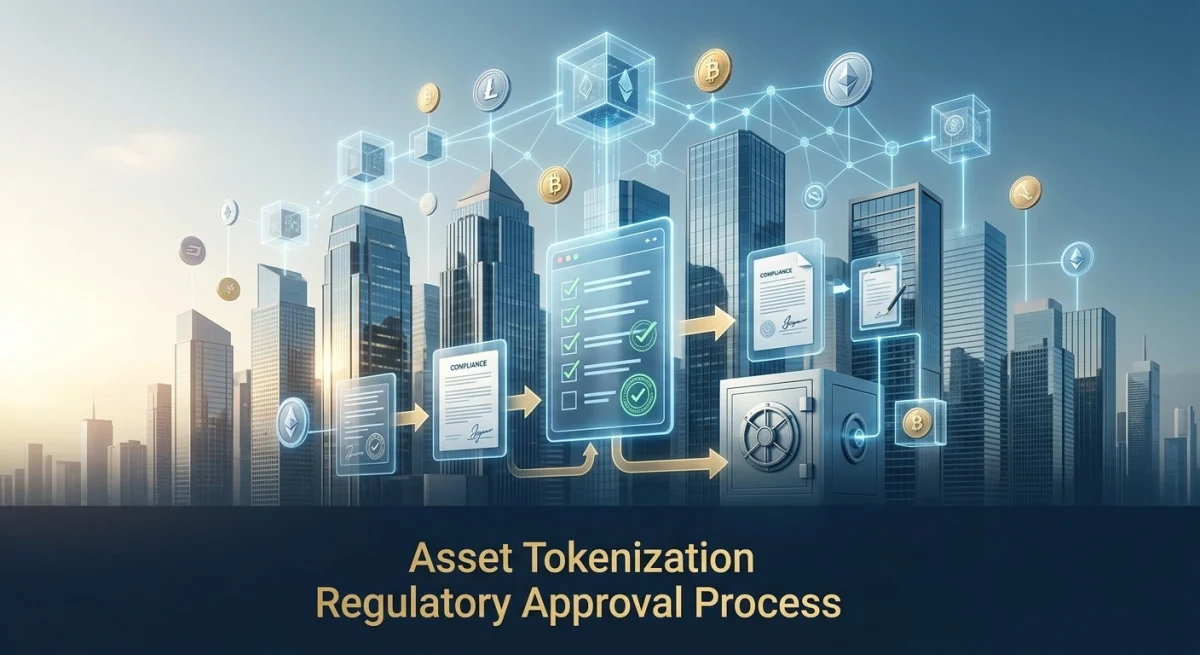
In tandem, federal and other emirate-level regulators bolstered the legal foundation for virtual assets. In late 2025, a new federal anti-money laundering law (Decree-Law No. 10 of 2025) explicitly brought virtual asset service providers under AML/CFT supervision. VARA promptly instructed all licensed crypto businesses in Dubai to conduct gap assessments and tighten compliance in line with the new law. Meanwhile, the Dubai International Financial Centre (DIFC)’s regulator updated its crypto-token regulatory framework to enhance investor protection and remove its previous whitelist of acceptable tokens – shifting to a more flexible, criteria-based approach for tokens in the DIFC. Abu Dhabi’s Global Market (ADGM) similarly refined its digital asset regulations in December 2025, adjusting capital requirements and expanding the scope of tokens allowed in its regime. And at the national level, the Securities and Commodities Authority (SCA) finalized new rules to integrate security tokens and commodity-backed tokens into the UAE’s markets with proper oversight. This multi-layered but coordinated regulatory push – spanning VARA, SCA, ADGM, and DIFC – has created a unified yet flexible framework for crypto and tokenization in the UAE. Industry analysts note that the UAE’s alignment with global standards (such as adopting the OECD’s crypto-asset reporting rules by 2027) further cements its credibility. With clear laws, tax incentives, and robust compliance in place, the UAE experienced a surge of blockchain startups and exchanges establishing operations in 2025, thereby expanding the local Web3 ecosystem to hundreds of licensed firms. This strong regulatory foundation is expected to continue driving growth in 2026, as Dubai and the UAE maintain a pro-innovation but safety-conscious stance on digital assets.
Real Estate Tokenization in Dubai: Property Investment Reimagined

One of the most eye-catching tokenization trends in the UAE has been in Dubai’s real estate sector. The Dubai Land Department (DLD) – in partnership with tech firm PRYPCO and under the oversight of VARA – launched a pioneering Real Estate Tokenization Initiative in 2025. In May 2025, DLD successfully tokenized a luxury property and sold it via the PRYPCO Mint platform within one day, issuing the world’s first blockchain-based Property Token Ownership Certificate to the new buyers. This first tokenized real estate offering attracted 224 investors from 44 nationalities, and remarkably, 70% of those investors were entering Dubai’s property market for the first time. By lowering entry costs to as little as a few thousand dirhams, the project demonstrated how fractional ownership via tokens can open the market to a broader base of investors. The strong demand was evident – a waitlist of over 6,000 interested buyers formed after the first project sold out.
Building on that success, the DLD’s second tokenized property offering in June 2025 was even more of a sensation. The department reported that the second project on PRYPCO Mint was fully funded in just 1 minute and 58 seconds, with 149 investors snapping up all available tokenized shares of the property. The offering’s almost instant sell-out and an expanded waitlist of over 10,000 investors underscored the surging appetite for digital real estate investments in Dubai. According to DLD, these tokenized property platforms – officially accredited under its initiative – provide a seamless, low-cost way to buy shares in ready properties, lowering barriers to entry while maintaining full legal ownership rights via blockchain. Investors also benefit from more liquidity and transparency, as trades can be settled quickly on the ledger and fractional owners can potentially trade their tokens in the future. Dubai’s government has integrated this project within its broader economic agendas: the Real Estate Tokenization Initiative aligns with the Dubai Economic Agenda D33 and the emirate’s 2033 real estate strategy, aiming to boost investment inflows and technological innovation in property markets. Work is underway to allow major real estate developers to list new projects on the tokenization platform, expanding the pipeline of tokenized assets available to local and international investors. By embracing tokenization, Dubai is positioning real estate as a more accessible, digitally-driven asset class, and other sectors are taking note.
Tokenization Beyond Real Estate: Commodities and Broader Web3 Trends
The tokenization wave in the UAE is quickly extending beyond property to other real-world assets. Notably, Dubai authorities have zeroed in on precious metals and commodities as the next frontier. In October 2025, the Dubai Multi Commodities Centre (DMCC) – home to one of the world’s largest physical gold markets – announced a landmark partnership with VARA to develop a tokenized commodities framework. This collaboration is piloting the conversion of gold bars, diamonds, and other commodities into secure digital tokens that can be traded on blockchain platforms. The goal is to harness Dubai’s expertise in commodities trading and marry it with regulatory oversight, creating secure, transparent markets for tokenized gold and jewels. Pilot projects will assess technical requirements and investor safeguards, and their results will shape new rules for trading these asset-backed tokens. As DMCC’s CEO Ahmed Bin Sulayem noted, by tokenizing gold and diamonds under clear rules, Dubai can “open new investment opportunities, improve liquidity, and reinforce [the city’s] leadership in trade and blockchain innovation”. The initiative also includes public workshops to educate investors on tokenization benefits and risks, building trust in this emerging market. With analysts predicting asset tokenization could exceed $10 trillion globally by 2030, Dubai’s proactive approach – combining innovation with strong regulation – puts it ahead of other hubs looking to capitalize on this trend.
More broadly, the UAE’s Web3 ecosystem is expanding rapidly. Crypto-focused free zones like DMCC’s Crypto Centre now host over 700 blockchain and Web3 companies, making it the largest digital asset cluster in the region. These range from startups working on decentralized finance (DeFi) and non-fungible tokens (NFTs) to established international exchanges and custody providers. Abu Dhabi’s Hub71 and Ras Al Khaimah’s Digital Assets Oasis (the world’s first free zone dedicated to virtual assets) also contribute to a vibrant scene of blockchain innovation and entrepreneurship. The government’s digital economy strategies – including Dubai’s plan to double the digital economy’s GDP contribution by 2031 – explicitly prioritize blockchain, metaverse, and tokenization projects as drivers of growth. This supportive environment, combined with the UAE’s 0% personal tax and robust infrastructure, has drawn an influx of talent and capital into the country’s crypto sector. Even traditional financial institutions are jumping in: for instance, UAE-regulated platforms are tokenizing government bonds and funds, and local banks are exploring blockchain for trade finance and supply chains. With banks, regulators, and tech firms collaborating, previously illiquid assets (from real estate to commodities) are being transformed into “investable” digital tokens. This convergence of TradFi and DeFi signals that the UAE’s tokenization journey is just beginning.
Conclusion: As of January 7, 2026, the UAE stands out for its balanced embrace of Web3 – fostering innovation in tokenization while enforcing credible regulation. From the Digital Dirham’s rollout to Dubai’s tokenized assets and commodity pilots, the country is setting benchmarks for integrating blockchain into the mainstream economy. With continued government backing and international interest, the UAE’s Web3 ecosystem is poised for even greater expansion in the coming year. Tokenova will be here to cover these emerging tokenization news and trends in the region, as the UAE solidifies its role as a global leader in the tokenized digital economy.
FAQ
Q1: What is the Digital Dirham in the UAE?
A: The Digital Dirham is the UAE’s central bank digital currency initiative designed for secure digital payments and future retail and government use.
Q2: What is Dubai’s approach to crypto regulation?
A: Dubai uses VARA as its dedicated virtual asset regulator, with licensing and compliance requirements for exchanges and service providers.
Q3: Is real estate tokenization live in Dubai?
A: Dubai Land Department-backed tokenization initiatives have already run tokenized property offerings, showing active demand for fractional property investment models.
Q4: What is the difference between DIFC and ADGM crypto regulation?
A: DIFC is regulated by DFSA and ADGM is regulated by FSRA. Both have distinct rulebooks and licensing requirements for virtual assets.
Q5: What is trending in UAE Web3 for 2026?
A: CBDC infrastructure, regulated tokenization of real-world assets, and tighter compliance frameworks are the leading trends.